





Petrochemical Industries
Petrochemicals Industry
The Petrochemical Industry converts crude oil, natural gas, and other hydrocarbons into essential chemicals and raw materials used in plastics, fertilizers, synthetic fibers, pharmaceuticals, and numerous industrial products. Safe and efficient operations depend on accurate measurement, testing, and process monitoring of critical parameters such as temperature, pressure, flow, humidity, gas concentration, and electrical performance. MeasuringMart provides advanced measurement solutions that help petrochemical facilities improve process efficiency, ensure workplace safety, reduce downtime, and comply with industry regulations.
Petrochemicals Industry Structure and Characteristics
The Petrochemical Industry is structured around the conversion of crude oil and natural gas into valuable chemical products through a series of refining and manufacturing processes. It includes upstream activities such as raw material extraction, midstream transportation and storage, and downstream production of petrochemicals used in plastics, fertilizers, synthetic rubber, textiles, pharmaceuticals, and other industrial products. Throughout these processes, accurate measurement and monitoring of temperature, pressure, flow, and gas concentrations are essential to ensure safe operations, improve production efficiency, and maintain product quality.
The Petrochemical Industry is characterized by complex production processes, continuous plant operations, and strict safety and environmental requirements. Manufacturing involves high temperatures, high pressures, and hazardous chemicals, making precise measurement and process monitoring essential. Reliable monitoring of critical parameters such as temperature, pressure, flow, humidity, gas leaks, and electrical systems helps improve operational efficiency, minimize downtime, ensure regulatory compliance, and maintain consistent product quality across petrochemical facilities.

Fundamentals of the Petroleum Industry
The Petroleum Industry is responsible for the exploration, extraction, refining, transportation, and distribution of crude oil and natural gas. These resources are processed into fuels, lubricants, petrochemicals, and other essential products used across various industries. Accurate measurement, testing, and monitoring of critical parameters such as temperature, pressure, flow, tank levels, and gas concentration are fundamental to ensuring safe operations, optimizing production efficiency, and maintaining product quality. MeasuringMart provides advanced measurement solutions that help petroleum facilities improve process control, enhance safety, reduce downtime, and comply with industry regulations.

Effluents from Petroleum Industry
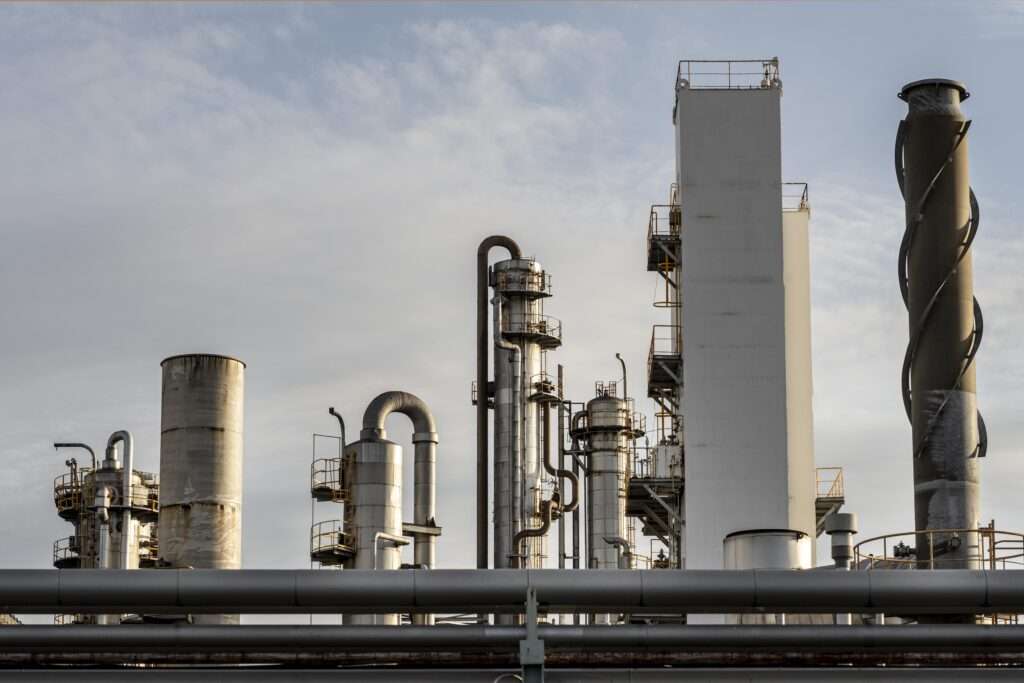
The Petroleum Industry generates wastewater and industrial effluents during refining, processing, and storage operations. These effluents may contain oils, chemicals, suspended solids, and other contaminants that require proper treatment before discharge to protect the environment and comply with regulatory standards. Accurate measurement and monitoring of parameters such as pH, temperature, conductivity, dissolved oxygen, flow, and chemical concentration are essential for effective effluent treatment and environmental compliance. MeasuringMart provides advanced measurement solutions that help petroleum facilities monitor wastewater quality, optimize treatment processes, and support safe and sustainable operations.
The Petrochemical Industry Soars
The Petrochemical Industry continues to grow rapidly, driven by increasing demand for plastics, chemicals, synthetic materials, pharmaceuticals, and renewable energy applications. As production facilities become more advanced, the need for accurate measurement, testing, and process monitoring has become increasingly important. Continuous monitoring of temperature, pressure, flow, gas concentration, and electrical systems helps improve operational efficiency, enhance workplace safety, reduce downtime, and ensure compliance with industry standards. MeasuringMart provides reliable measurement solutions that support the evolving needs of modern petrochemical industries and help optimize plant performance.
Applications

Plastics: A Petrochemical Gold Mine
After World War II, there was an even bigger increase in demand for petroleum products. From over 1.75 billion barrels in 1946 to almost 2.5 billion barrels in 1950, the United States used a lot more petroleum. Petroleum had supplanted coal as the nation’s primary fuel by the early 1950s. And the main cause was plastic.
The Petrochemical Industry Slowdown
The environmental movement, which emerged in the 1960s and 1970s, made Americans leery of polluting companies, with the petrochemical sector being the main target. The development of the petrochemical industries in Europe and Japan, a natural gas shortage, the 1979 OPEC crisis, and a recession in the US economy all occurred at around the same time and contributed to the industry’s tough times.
The Geography of Petrochemicals
In more than a hundred countries, there were nearly a million oil wells by the last decade of the twentieth century.
more than 20 billion barrels are produced annually. The Middle East is thought to have roughly 41% of the world’s total oil reserves, and most experts regard Saudi Arabia with having the biggest original oil endowment of any nation. America is much behind North America.
FAQs
They ensure accurate monitoring of pressure, temperature, flow, and gas levels for safe and efficient petrochemical processes.
Common instruments include pressure transmitters, flow meters, gas detectors, temperature sensors, thermal imagers, and data loggers.
They enhance process safety, improve product quality, reduce downtime, optimize production, and ensure regulatory compliance.