




Heating, Ventilation, Air Conditioning
What is an HVAC System ?
HVAC stands for heating, ventilation, and air conditioning first and foremost. Both residential and commercial buildings can be heated and cooled using this technology. HVAC systems are used to provide comfortable environments anywhere from single-family homes to submarines. These systems, which are gaining popularity in new buildings, utilise outside air to offer excellent indoor air quality. The replacement or exchange of air within a space is represented by the V in HVAC, or ventilation. This improves inAterior air quality by removing moisture, smoke, odours, heat, dust, airborne bacteria, carbon dioxide, and other gases as well as maintaining temperature and resupplying oxygen.
How Does An HVAC System Work
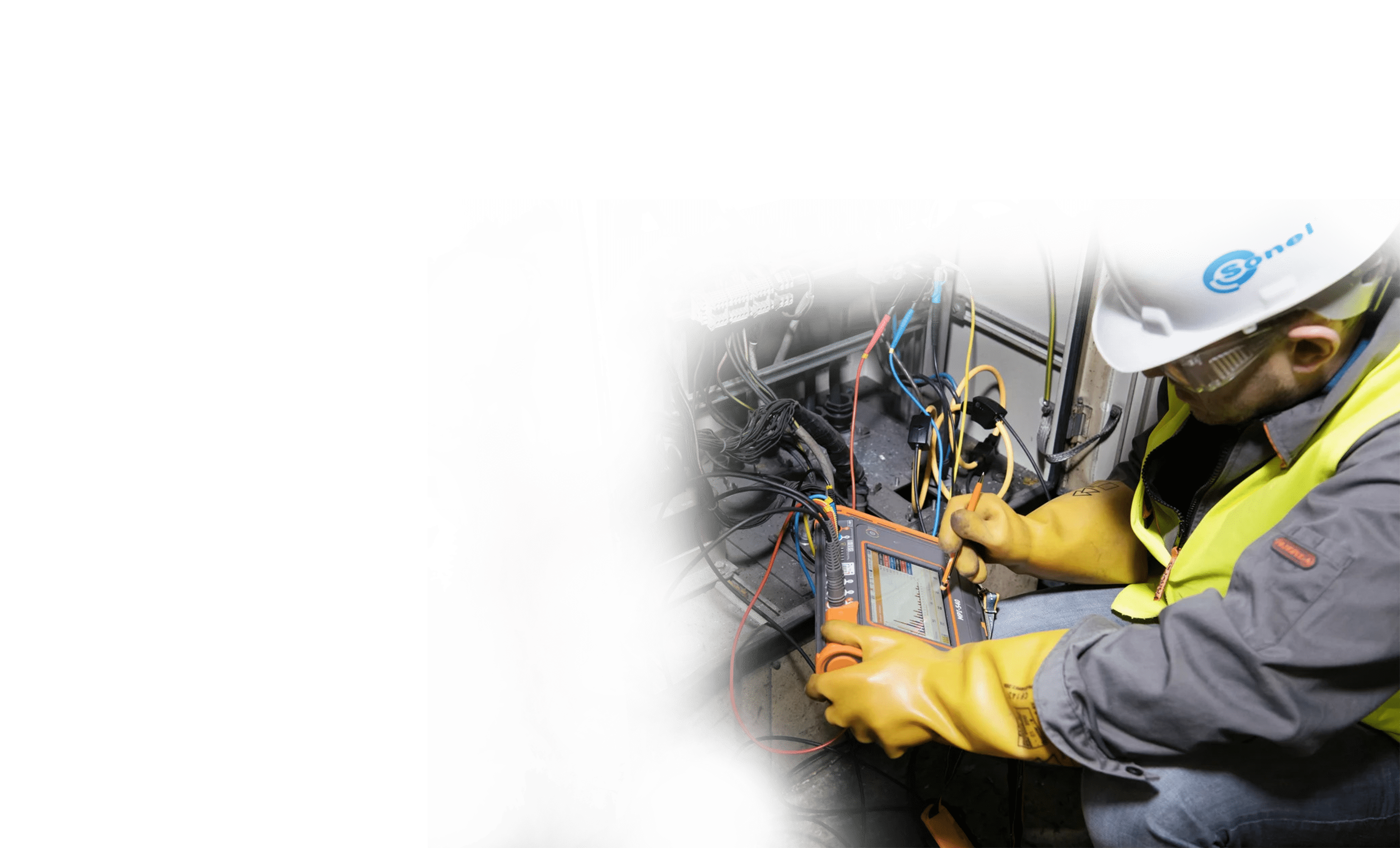
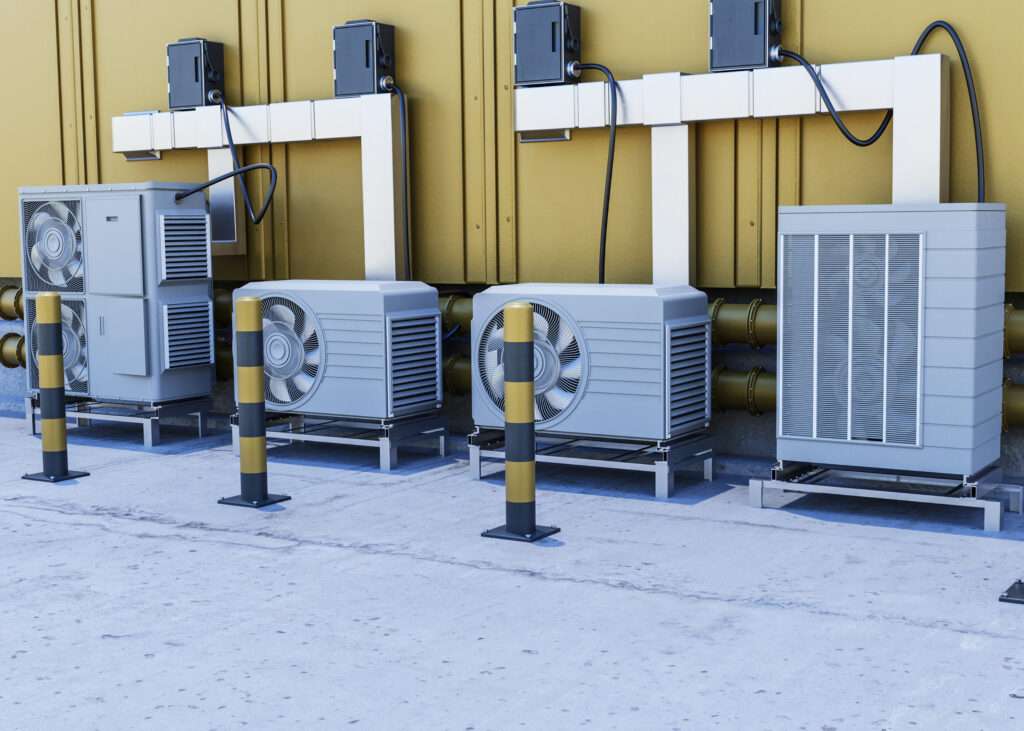
The three main functions of an HVAC system are interrelated, especially when providing acceptable indoor air quality and thermal comfort. Your heating and air conditioning system is often one of the most complicated and extensive systems in your home, but when it stops working you’ll know soon enough! There are nine parts to your HVAC system that you should be familiar with the air return, filter, exhaust outlets, ducts, electrical elements, outdoor unit, compressor, coils and blower.
When setting up a high-rise building, commercial complex, industrial unit, hospital, parking unit, hotels, etc. where air quality and temperature parameters need to be maintained so that the staff nearby may live correctly, HVAC is one of the most crucial components needed.
PLCs were not used in traditional HVAC systems, but today practically all of them have them installed for better and more precise control.
In essence, there are a huge variety of HVAC applications that are utilised globally. We’ll look at a few of the most popular ones.

What Is Included In An HVAC System
Heating, ventilation, and air conditioning, or HVAC as it is commonly abbreviated, are the three essential components of the complete system.
A furnace or boiler is typically referred to as the heating element. If you’re using a forced air system, it also comprises ductwork or a pipe network for the fluid conveying the heat.
The ventilation element can be forced or natural, and when it is forced, it frequently also serves to purify the air.
As most of us are aware, air cooling, which is the exact opposite of heating, is the third and final component of an HVAC system. Its primary goal is to expel the internal heat from the house.
How Many Years Does An HVAC System Last
You may be curious about the lifespan of a new HVAC system now that you know exactly what it is made up of. How long the system will last truly relies on the equipment. However, if you perform the necessary annual maintenance, your equipment will keep working for a very long time. Do you intend to swap out your current HVAC system? Or perhaps you want to add one completely? Call Brennan Heating & Air Conditioning, your neighbourhood HVAC experts, today!
Applications
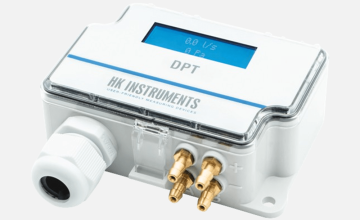
Air Handling Unit (AHU)
Air Handling Unit is the abbreviation. It is one of the HVAC applications that is most frequently employed. It operates using logic from refrigeration.The indoor environment can be kept cool by using an AHU. In essence, it uses a heat transfer mechanism to change air that is warmer as an input into air that is warmer.
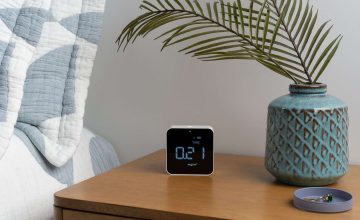
Chillers
A product’s density needs to be precisely measured in order to monitor and manage its consistency in quality. The density data are translated to other units, such as Brix, Baume, API, Plato, or alcohol, to determine the concentration.Large commercial or industrial complexes typically use chillers to supply low-temperature water for their varied needs.
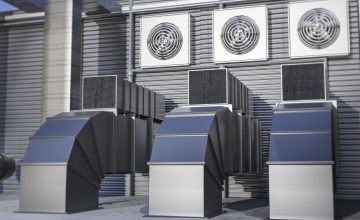
Ventilation
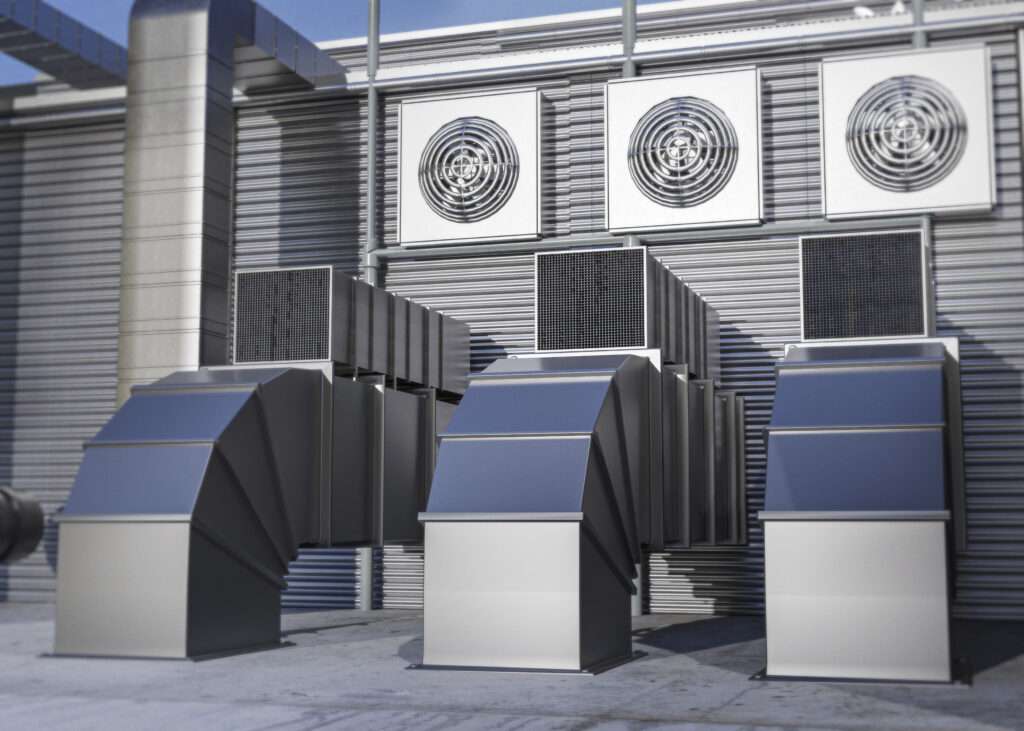
Ventilation is a method of removing unhealthy air from the workplace. Moisture, smoke, heat, dust, carbon dioxide, or airborne germs and viruses are examples of the undesirable components.The utilised fans are larger than conventional ones and have carefully planned vents for proper evacuation of foul air into the outside environment.
FAQs
An HVAC system controls heating, ventilation, and air conditioning to maintain comfortable indoor temperature, humidity, and air quality in residential, commercial, and industrial buildings.
Measurement instruments help monitor temperature, humidity, airflow, pressure, and indoor air quality, ensuring efficient system performance, energy savings, and preventive maintenance.
Common HVAC instruments include digital thermometers, thermo-hygrometers, anemometers, differential pressure meters, infrared thermometers, air quality meters, and data loggers.