




Steel & Metal Process
The Steel Manufacturing Process
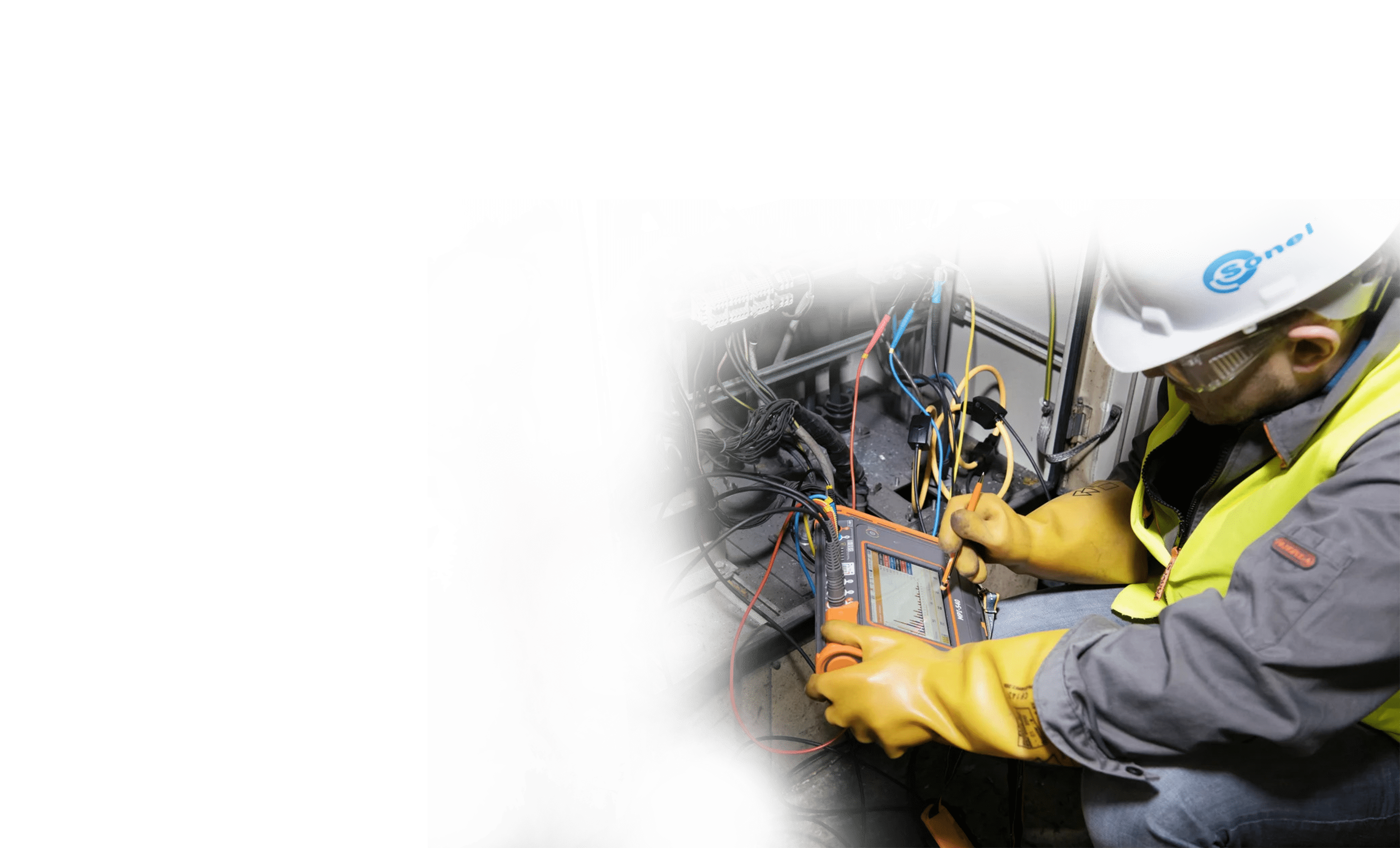
The steel manufacturing process involves converting raw materials into high-quality steel through stages such as melting, refining, casting, rolling, and finishing. Accurate measurement and monitoring of temperature, pressure, thickness, and other critical process parameters are essential to ensure product quality, improve production efficiency, and maintain operational safety. MeasuringMart provides advanced testing and measurement solutions that help steel manufacturers optimize production processes and achieve consistent results.
History Of Steel Production
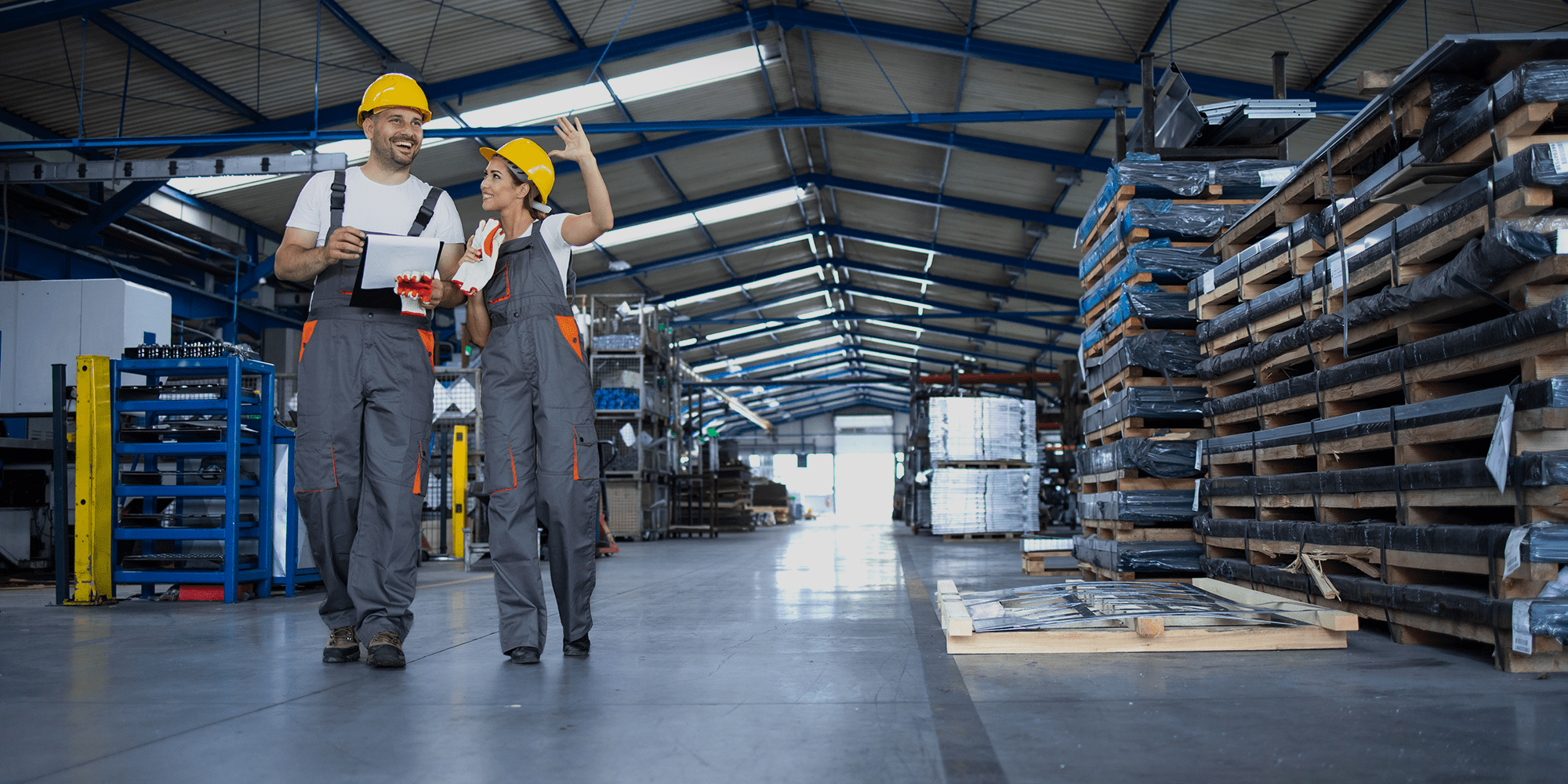
Steel production has evolved from traditional ironmaking methods to highly automated manufacturing processes that utilize advanced technologies and precision measurement systems. Modern steel plants rely on real-time monitoring, automation, and quality control instruments to improve productivity, reduce waste, and ensure compliance with industry standards. These innovations have enabled manufacturers to produce stronger, more reliable steel products for a wide range of industrial applications.

How Is Steel Made Today?
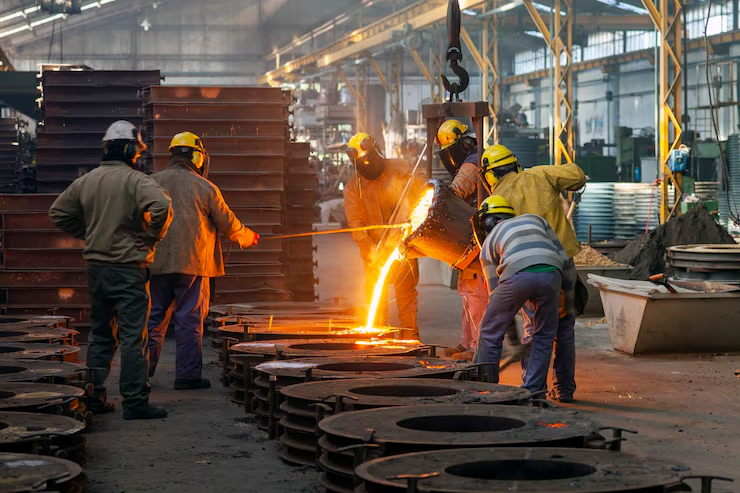
Today, steel is manufactured using advanced production methods such as the Basic Oxygen Furnace (BOF) and Electric Arc Furnace (EAF) processes. Throughout the manufacturing cycle, accurate monitoring of temperature, pressure, thickness, vibration, and electrical parameters is essential for maintaining product quality and operational efficiency. Modern measurement instruments support process optimization, energy efficiency, and predictive maintenance, helping steel plants achieve reliable and cost-effective production.
Custom Metal Manufacturing
Custom metal manufacturing involves fabricating steel and other metals into components designed for specific industrial applications. Precision measurement and inspection play a vital role in ensuring dimensional accuracy, material consistency, and product quality. MeasuringMart offers reliable measurement and testing instruments that support metal fabrication, machining, welding, quality inspection, and process control, enabling manufacturers to deliver high-performance products that meet customer and industry requirements.
Advantages of Steel & Metal Process :
Advanced Steel & Metal Process measurement solutions help manufacturers improve product quality, optimize production efficiency, and maintain consistent process control. Accurate monitoring of temperature, pressure, thickness, vibration, and other critical parameters reduces material waste, minimizes downtime, and ensures compliance with industry standards. By using reliable testing and monitoring instruments, steel and metal manufacturers can enhance operational safety, improve productivity, and achieve high-quality manufacturing outcomes.
- Improved product quality
- Enhanced process efficiency
- Accurate quality control
- Reduced material waste
- Minimized equipment downtime
- Increased operational safety
- Compliance with industry standards
- Reliable process monitoring
Applications
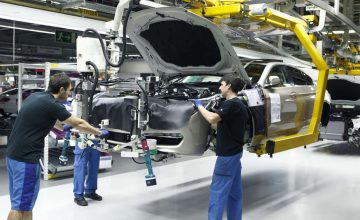
Automotive Manufacturing
In the manufacturing of automobiles, metal shaping is widely used. Most autos are made mostly of sheet metal that has undergone various metal forming processes. Sheet metals may only be formed into such complex components as automotive body panels, which frequently have various shapes and geometries, through the metal forming process.
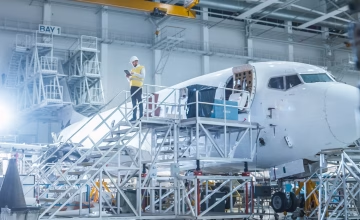
Aerospace Engineering
Fuselages, wings, and engine parts are examples of applications in aircraft engineering. Although metal is more frequently utilised than composite material in the construction of fuselages and engine components because metal offers more strength than composite material, the majority of parts used in the construction of an aeroplane are built from either metal or composite materials.

Construction
Pipelines are one use for metal forming techniques in the building industry. Depending on the desired shape, hydraulic or electric resistance methods are used to create metal pipeline tubes. Recently, a novel technique known as air-forming has gained popularity since it makes it possible to produce seamless pipes.
FAQs
Measurement instruments help monitor temperature, pressure, thickness, vibration, and other critical parameters to improve product quality, process efficiency, and operational safety.
Common instruments include infrared thermometers, thermal imagers, thickness gauges, vibration meters, pressure gauges, clamp meters, and data loggers.
These solutions are widely used in steel plants, foundries, rolling mills, metal fabrication units, heat treatment facilities, and quality control laboratories.