




Oil & Gas
Oil and Gas Industry
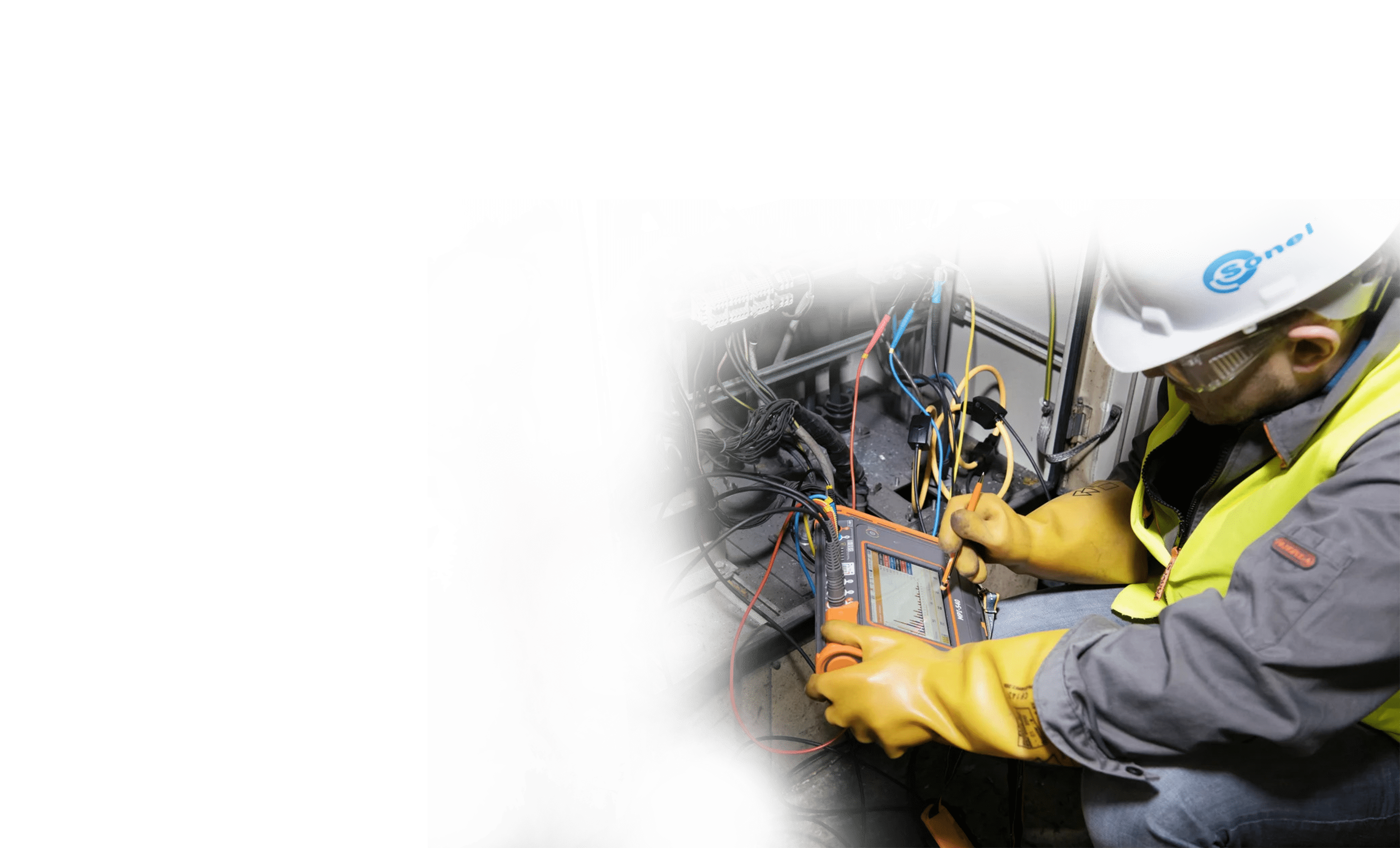
The Oil & Gas Industry plays a vital role in the exploration, extraction, production, refining, transportation, and distribution of crude oil and natural gas. It encompasses upstream, midstream, and downstream operations, producing essential fuels, lubricants, and petrochemical products that support industries and economies worldwide. These operations require accurate measurement, testing, and monitoring to ensure safety, improve operational efficiency, and maintain product quality. Continuous monitoring of critical parameters such as temperature, pressure, flow, gas concentration, humidity, and electrical systems helps optimize production processes, detect faults early, reduce downtime, and ensure compliance with industry regulations. MeasuringMart offers advanced Oil & Gas Industry measurement solutions designed to enhance process control, improve equipment reliability, and support safe and efficient operations across the entire oil and gas value chain.
How the Oil and Gas Industry Works
The Oil & Gas Industry operates through three main stages: upstream, midstream, and downstream. Upstream activities involve the exploration and extraction of crude oil and natural gas. Midstream operations focus on the transportation, storage, and distribution of these resources through pipelines, terminals, and storage facilities. Downstream processes include refining crude oil into fuels, lubricants, and petrochemical products before delivering them to end users. Throughout every stage, accurate measurement, testing, and monitoring of temperature, pressure, flow, gas concentration, and electrical systems are essential for ensuring operational safety, optimizing process efficiency, maintaining product quality, and complying with industry regulations.

What are the different oil and gas sectors?
The Oil & Gas Industry is divided into three main sectors: upstream, midstream, and downstream. The upstream sector focuses on the exploration and production of crude oil and natural gas. The midstream sector is responsible for the transportation, storage, and distribution of these resources through pipelines, terminals, and storage facilities. The downstream sector involves refining crude oil into fuels, lubricants, petrochemicals, and other valuable products before they are supplied to industries and consumers. Across all three sectors, accurate measurement, testing, and monitoring of critical parameters such as temperature, pressure, flow, gas concentration, and electrical systems are essential for ensuring safe operations, improving efficiency, maintaining product quality, and meeting industry regulations.

Understanding Oil Production Numbers
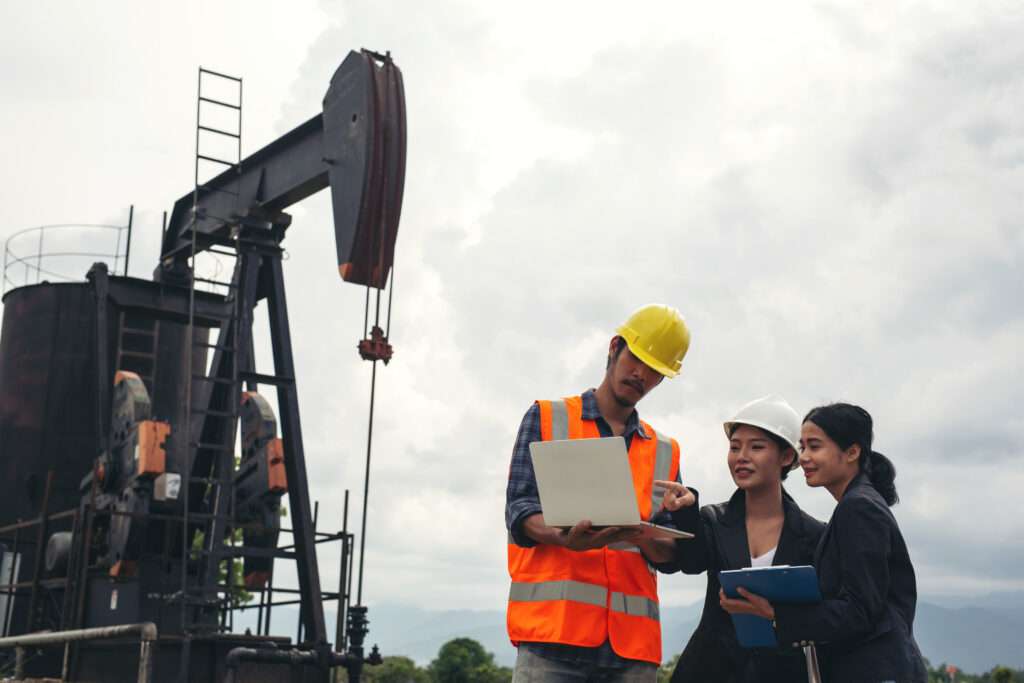
Oil production numbers measure the amount of crude oil produced over a specific period and are key indicators of operational efficiency and production performance in the Oil & Gas Industry. Monitoring production rates helps operators optimize extraction processes, manage resources effectively, and meet production targets. Accurate measurement and monitoring of critical parameters such as flow rate, pressure, temperature, tank levels, and pipeline performance ensure reliable production data, improve process control, reduce operational losses, and support safe and efficient oil production operations.
Understanding Gas Production Numbers
Gas production numbers indicate the volume of natural gas produced over a specific period and are used to evaluate the performance and efficiency of gas production operations. Accurate production data helps operators optimize extraction, processing, storage, and distribution while ensuring a reliable energy supply. Continuous measurement and monitoring of critical parameters such as flow rate, pressure, temperature, gas composition, and pipeline performance improve process control, enhance operational safety, reduce production losses, and support efficient natural gas production across the Oil & Gas Industry.
Oil and gas industry outlook
The oil and gas industry has finally recovered in light of recent low points, including the price collapse in 2013 and significant environmental catastrophes, such the Deepwater Horizon Gulf of Mexico Oil Spill in 2014.
As the world’s industries and infrastructure continue to rely significantly on petroleum-based products, the world’s dependence on oil and gas is growing. Even with a weakening global economy and dwindling oil supplies, discussions about when global oil and gas production would peak seem to be on the fringe. With the U.S. oil and gas industry sustaining at least 10 million jobs, the sector continues to exert enormous impact on global economics and politics, especially when taking employment levels into account.
Applications

Urban Energy
MAN Energy Solutions is the top supplier of integrated power systems in the world. With tailored, flexible, one-source solutions from our wide range of offerings, you may optimise your grid in a variety of ways. The adjustments made to the energy market also have an impact on urban surroundings. We are prepared to create creative energy solutions with you, our customers, based on our extensive expertise.

Industrial energy
MAN Energy Solutions is the top supplier of integrated power systems in the world. As a trusted partner to many industrial clients, we are aware of the critical role that an effective and affordable supply of electricity, heat, and cold plays in maintaining competitiveness. MAN will provide your company with long-term energy supply solutions that allow you the adaptability you need to deal with shifting conditions.
Petroleum Gas Processing
Petroleum gas processing requires accurate monitoring of pressure, temperature, flow, and gas concentration to ensure safe and efficient operations. Measuring Mart provides reliable measuring instruments for process control, leak detection, storage, and safety monitoring, helping improve operational efficiency and regulatory compliance.
FAQs
They ensure accurate monitoring of pressure, temperature, flow, and gas levels for safe and efficient operations.
Common instruments include pressure transmitters, flow meters, gas detectors, thermal imagers, temperature sensors, and data loggers.
They enhance process safety, improve operational efficiency, reduce downtime, support predictive maintenance, and ensure regulatory compliance.