





Automotive Industries
Developments before World War
The Automotive Industries rely on accurate measuring instruments to ensure precision manufacturing, product quality, and efficient production processes. Monitoring critical parameters such as temperature, pressure, humidity, torque, vibration, and electrical measurements helps improve quality control, reduce defects, and maintain compliance with industry standards.
At Measuring Mart, we offer a wide range of measuring instruments for automotive applications, including digital multimeters, clamp meters, infrared thermometers, thermal imaging cameras, pressure gauges, thickness gauges, vibration meters, and data loggers. Our solutions help manufacturers enhance productivity, improve operational efficiency, and ensure consistent product quality.
About the Automotive Industry
The Automotive Industries require precise measurement and process monitoring to ensure product quality, manufacturing efficiency, and compliance with global standards. Accurate monitoring of temperature, pressure, torque, vibration, humidity, thickness, and electrical parameters is essential throughout vehicle manufacturing, assembly, testing, and quality inspection.Measuring instruments play a vital role in engine production, battery manufacturing, welding, painting, machining, and final vehicle testing. Real-time monitoring helps reduce defects, improve process reliability, optimize production efficiency, and support preventive maintenance.At Measuring Mart, we offer advanced measuring instruments for automotive industries, including digital multimeters, clamp meters, infrared thermometers, thermal imaging cameras, torque testers, pressure gauges, thickness gauges, vibration meters, and data loggers to help manufacturers achieve consistent quality and operational excellence.


What is an example of automotive?
Example: Passenger Car Manufacturing
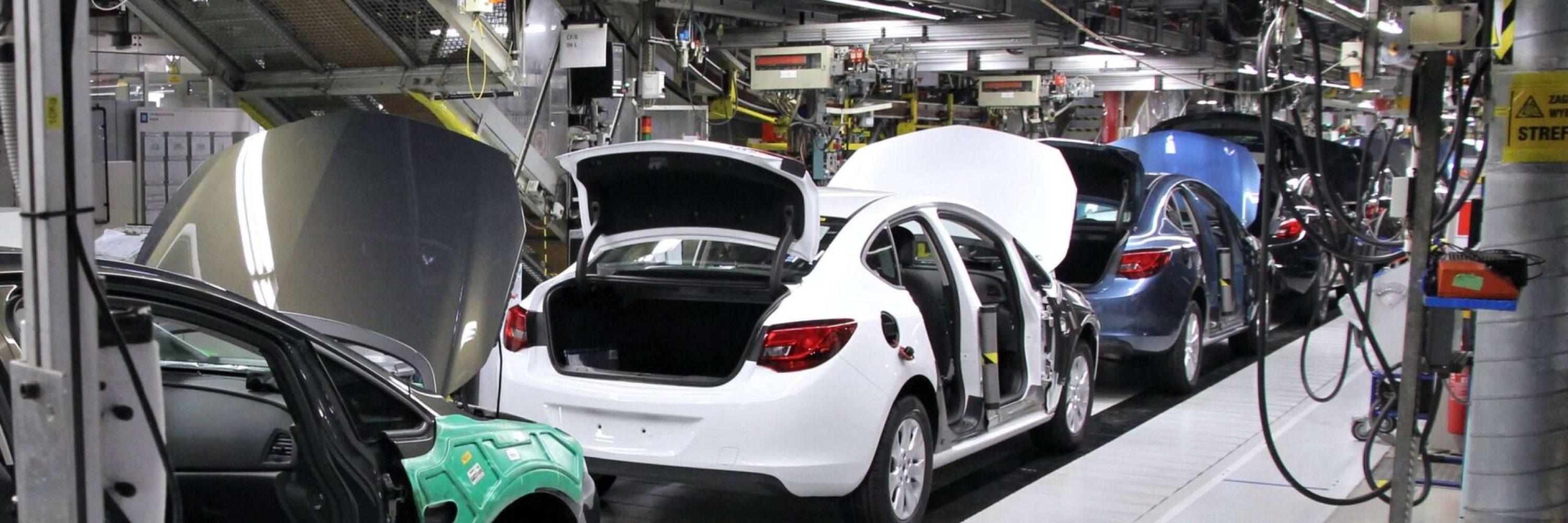
Passenger car manufacturing is a common example of the automotive industry. The process includes stamping metal parts, welding the vehicle body, painting, assembling components such as the engine, brakes, and electronics, and conducting final quality testing. Throughout production, manufacturers use temperature, pressure, and other measurement instruments to ensure the vehicle meets safety, quality, and performance standards before it reaches customers.
What is automotive qualification?
Automotive qualification is the process of testing and validating automotive components, materials, or electronic systems to ensure they meet the required quality, safety, reliability, and performance standards before being used in vehicles.
Manufacturers perform various environmental, mechanical, electrical, and durability tests to verify that components can withstand harsh operating conditions such as extreme temperatures, vibration, humidity, and continuous use, ensuring reliable performance throughout the vehicle’s lifespan.
Applications

Mechanical testing
We at Westmoreland Mechanical Testing & Research are aware that remaining ahead of the competition requires us to be at the forefront of testing innovation for the automotive industry. We are devoted to meeting the demands of today’s automotive engineering by offering cutting-edge, timely, and trustworthy testing knowledge.

Vibration analysis
Finding the natural frequency and analysing the mode shape of the vehicle chassis structure are the key goals. The analysis’ findings will be used to improve the assembly of the car’s chassis structure and examine the dynamic behaviour of the chassis under load and on real roads.

Ultrasonic inspection
Ultrasonic testing in manufacturing can include a wide range of industries,including heavy-duty manufacturing, pipes, and tubes. Components must be carefully inspected during each step of the production process to find any potential faults. Manufacturing companies have utilised the robust capabilities of UT instruments, probes, and software as a quality control tool that examines faults for potential dangers.
FAQs
They ensure accurate testing, quality control, equipment maintenance, and compliance with industry standards.
Common instruments include thermal imagers, multimeters, insulation testers, vibration meters, sound level meters, and torque measurement tools.
They help improve product quality, reduce downtime, enhance equipment reliability, and support predictive maintenance.