





Chemical Industry
Information About Chemical Industry
The Chemical Industry relies on accurate measuring instruments to ensure safe operations, product quality, and efficient process control. Continuous monitoring of critical parameters such as temperature, pressure, pH, humidity, flow, conductivity, and gas concentration is essential for maintaining process stability and meeting industry regulations.Measuring instruments are widely used in chemical manufacturing, storage, mixing, reactors, laboratories, and quality control processes. Real-time monitoring helps improve production efficiency, reduce operational risks, minimize downtime, and ensure compliance with safety and environmental standards.At Measuring Mart, we offer a comprehensive range of measuring instruments for chemical industry applications, including temperature meters, pressure gauges, pH meters, conductivity meters, gas detectors, flow meters, data loggers, and environmental monitoring solutions to support reliable and efficient chemical processing.
What is the future of Chemical Industry
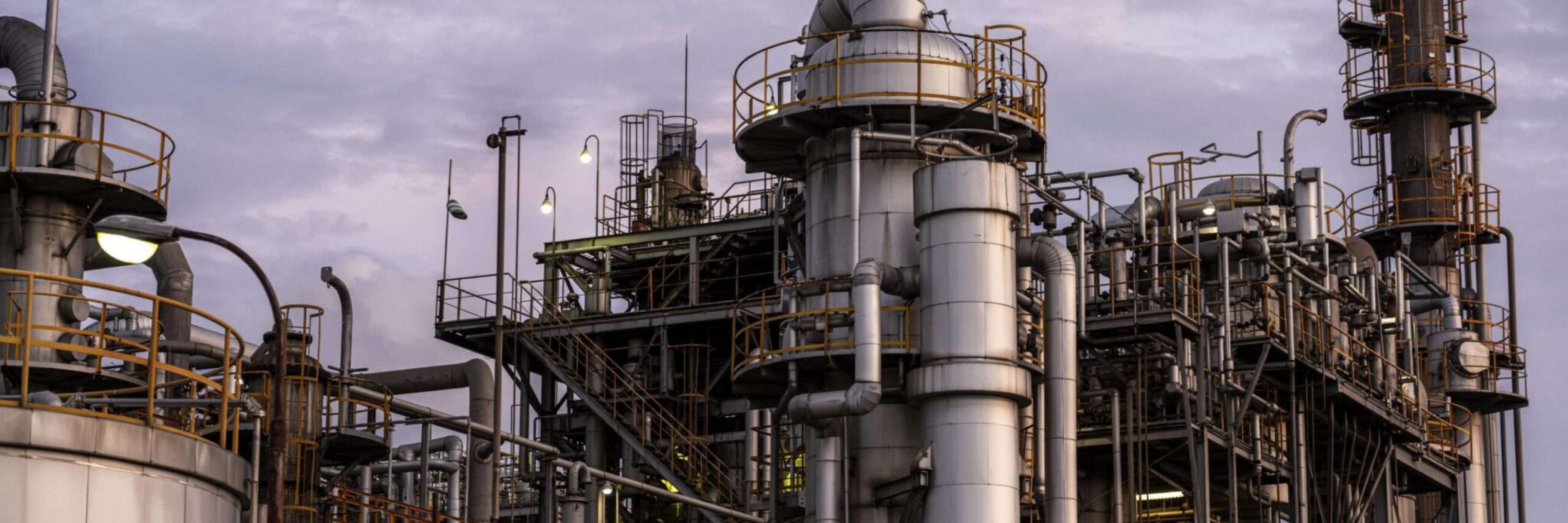
The Chemical Industry plays a vital role in manufacturing by converting raw materials into essential chemicals used across pharmaceuticals, food processing, petrochemicals, water treatment, agriculture, and other industrial sectors. Accurate measurement and process monitoring are critical to maintaining product quality, operational efficiency, and workplace safety.Measuring instruments are widely used to monitor temperature, pressure, pH, conductivity, flow, humidity, gas concentration, and other key process parameters during chemical production, storage, mixing, and quality control. Continuous monitoring helps optimize production, minimize operational risks, reduce downtime, and ensure compliance with environmental and industry regulations.At Measuring Mart, we offer a comprehensive range of measuring instruments for chemical industry applications, including temperature meters, pressure gauges, pH meters, conductivity meters, gas detectors, flow meters, data loggers, and environmental monitoring solutions to support safe, reliable, and efficient chemical processing.
What does the Chemical Industry Make ?
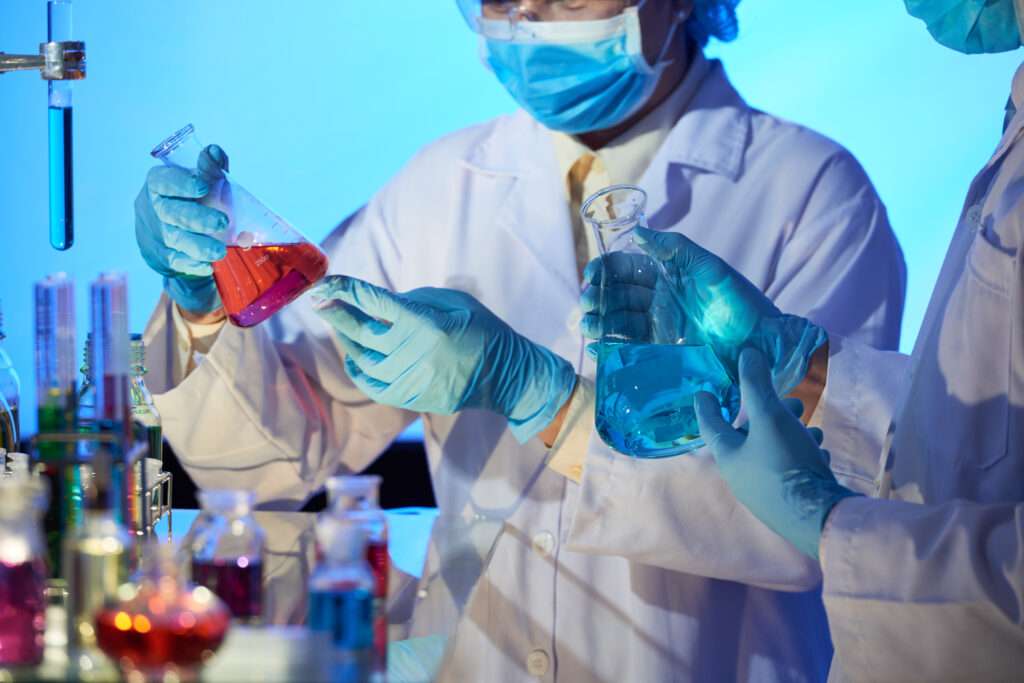
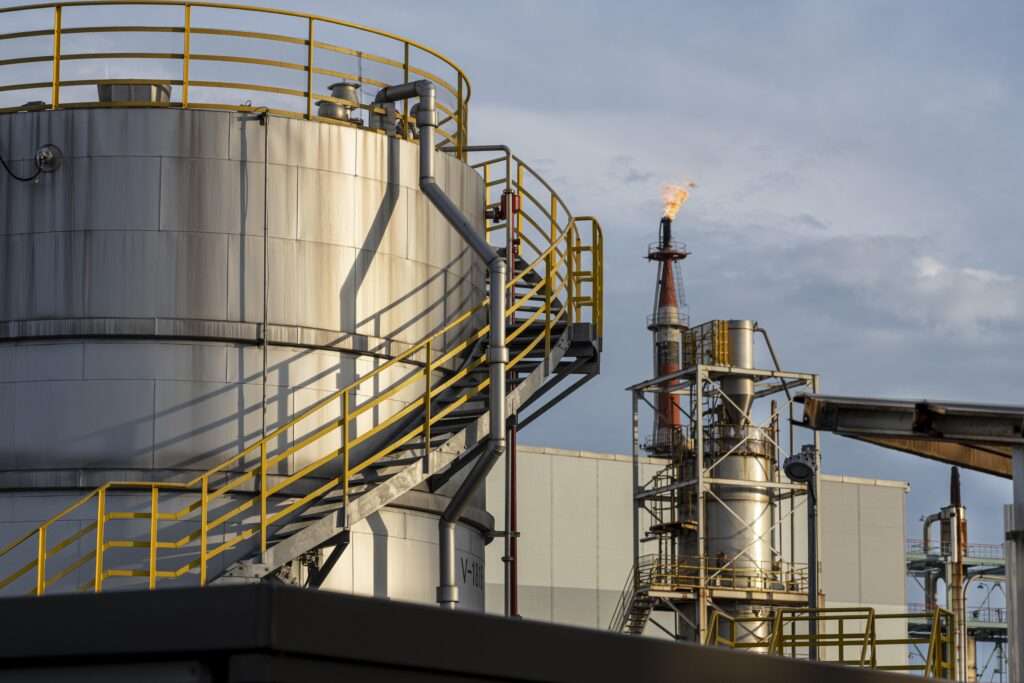
Industry can produce three different types of chemicals: fine, bulk, and specialty chemicals. Chemicals that are produced in vast quantities are referred to as bulk chemicals. Bulk chemicals known as commodity chemicals are produced to satisfy the demands of international markets. Polymers, petrochemicals, and fertilisers are just a few of the numerous chemicals and products that the bulk chemicals business produces. Chemicals are produced and processed in very large vessels at bulk chemical plants.Complex pure compounds known as “fine chemicals” are created in limited quantities and sell for a premium price. They are created to a specific specification and utilised to create products through various chemical processes. Organic synthesis is frequently used to produce fine compounds. A sequence of chemical reactions utilising carbon-based compounds are carried out in a lab as part of an organic synthesis to create a molecule or compound. Biotechnological processes can also be used to create fine compounds. This entails using living things to create chemicals. A common starting point for the production of additional chemicals is fine chemicals. Speciality chemicals are a particular class of chemical that are produced in batch procedures on relatively modest sizes.
Challenges faced by the Chemicals Industry
There are numerous difficulties facing the chemical industry. Some of these issues are brought on by how dangerous the chemicals being used are. To prevent harm to the environment or to humans, hazardous chemicals must be handled safely and disposed of in a certain manner. The dangers involved in producing chemicals present another difficulty for the chemical industry. Chemical engineers and plant workers must continuously monitor and regulate the conditions inside reactor vessels. Because accidents and disasters can occur, the manufacturing of chemicals is closely watched and regulated by organisations like the UK’s Health and Safety Executive. Another element of chemical manufacturing that needs to be watched over is the appropriate disposal of chemical waste.
Applications
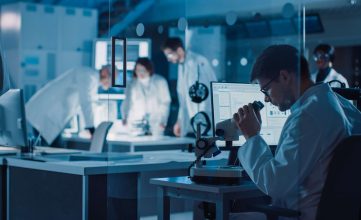
Heating and Cooling Reactors
Chemical processing often runs in a cyclic phase. Chemical reactors must go through phases where they must be heated and phases where they must be cooled. Almost all processing operations, from raw materials to final goods, have such varying demand. A key component in fulfilling this requirement is steam. In a process that uses heat to assist chemical reactions, hot steam plays a critical role in raising the temperature.
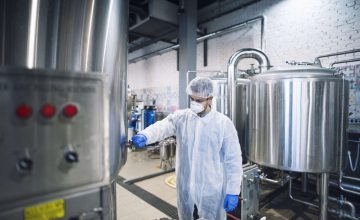
Disinfecting and Sterilizing
To guarantee the high quality and accuracy of the chemical components, chemical processing necessitates, in addition to the heating and cooling of reactors, routine disinfection and sterilisation of the plant and the equipment used throughout the operations. Steam is required for thorough cleaning and disinfection of the process plants.
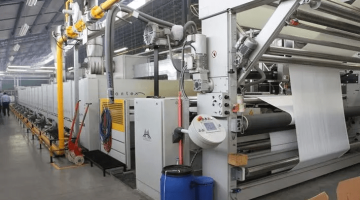
Waste Heat Recovery Boilers
We know that the chemical industry produces a lot of waste heat, so a waste heat recovery boiler is the best boiler for chemical facilities. In order to ensure optimal use of heat energy and prevent hazardous emissions into the environment, the system would recover excess heat and reuse it for other process activities or power generation.
FAQs
Measuring instruments ensure accurate monitoring of temperature, pressure, flow, pH, and other critical parameters for safe and efficient chemical processes.
Common instruments include pH meters, conductivity meters, pressure transmitters, flow meters, temperature sensors, gas detectors, and data loggers.
They enhance process control, improve product quality, increase safety, reduce downtime, and help meet industry compliance standards.