





Refrigeration
What is the Refrigeration Industry
Industrial refrigeration includes a wide range of operations, from low-temperature freezers to high-temperature process chilling. Industrial refrigeration is a significant industry with a significant economic impact on sectors like food processing and construction.By lowering the temperature to a set point, industrial refrigeration aids in eliminating heat from large-scale processes or materials. Industrial refrigeration can be applied using a variety of techniques depending on factors including temperature differential, temperature accuracy, and volume of output.
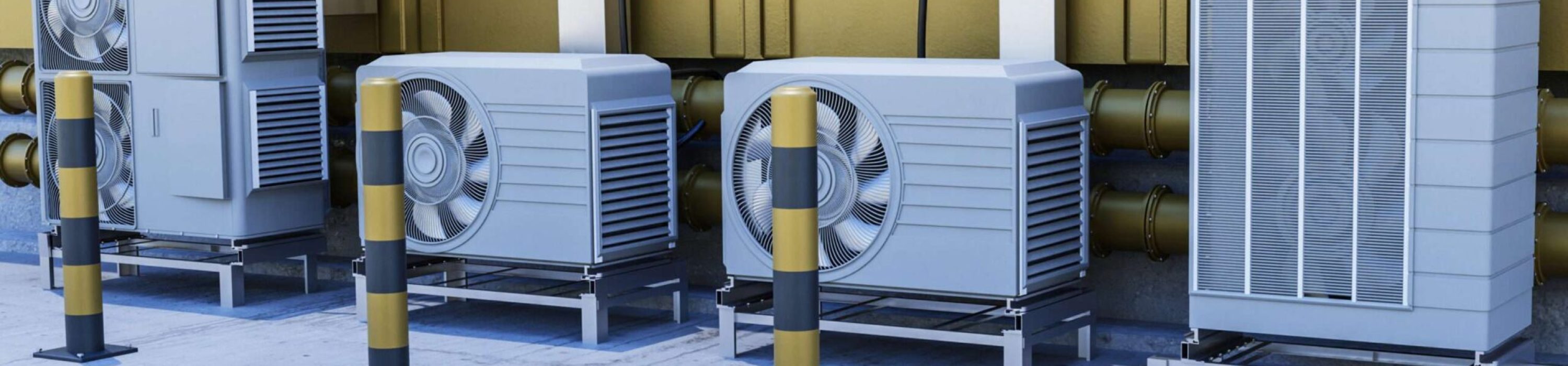
Refrigeration systems: essential for industries!
For many sectors, from District Cooling to Data Centres, to function properly, refrigeration and cooling systems are essential. For residential or commercial real estate projects, hotels, hospitals, universities, and businesses, industrial refrigeration, particularly District Cooling, can have significant economic and environmental advantages. The many cooling systems and sizes that are currently available reflect the unique requirements and factors that apply to each sector. In line with this, no matter what industry you work in, specialised industrial refrigeration systems and solutions that are simple to adopt, like those provided by ARANER, are a powerful instrument to increase efficiency and boost productivity.
Representation of a simple absorption refrigeration cycle
Generator: In the generator, a heat source converts a strong ammonia solution into ammonia vapour. The rectifier is used to dehydrate the ammonia (refrigerant) vapour before it enters the condenser.
Condenser: Ammonia that has been dehydrated and heated enters the condenser where it is condensed. After cooling, it passes through an expansion valve (throttle valve), which lowers the pressure and temperature. The modified values must be lower than those that the evaporator (the following stage) maintains.
Evaporator: At this point, the evaporator, which is effectively a cold refrigerator, appears. The evaporator receives the cooled ammonia, which subsequently absorbs heat and exits as saturated ammonia vapour.
A mild ammonia : water solution is sprayed onto the vapour as it enters the absorber. The weak solution eventually transforms into a strong one. The regenerator (also known as a heat exchanger) is where the new solution is sent by the pump on its way to the generator. The pressure has already reached generator/condensing level by the time the solution arrives. The procedure begins once more.
Where do we find industrial refrigeration systems
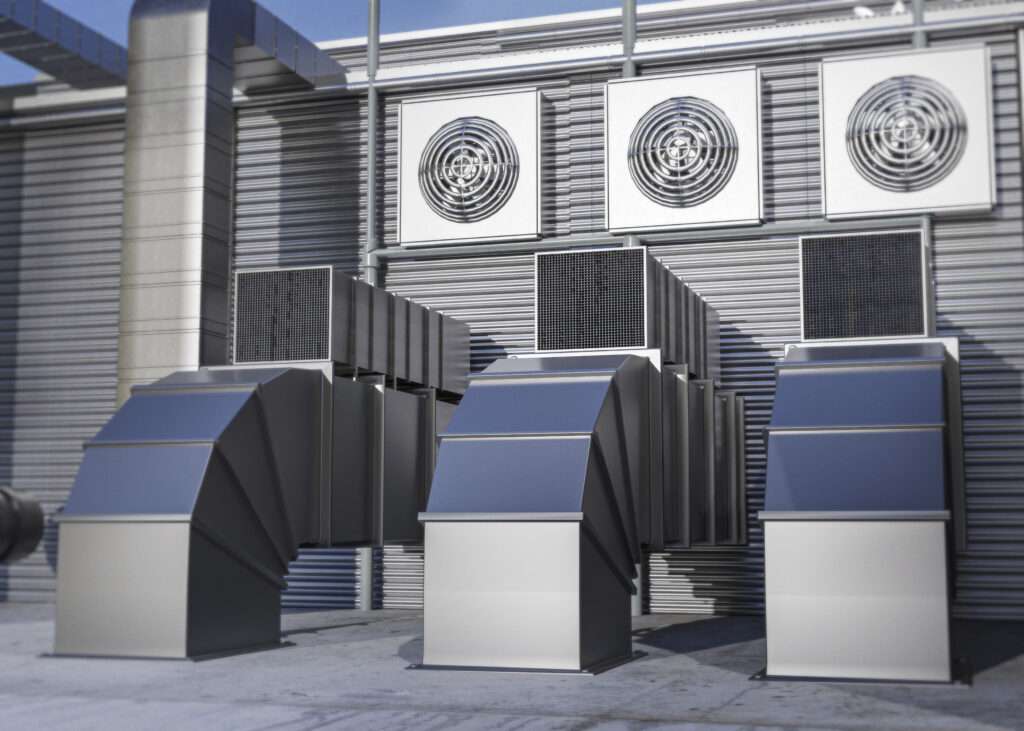
Industrial refrigeration applications are frequently utilised in establishments like cold storage facilities for food, dairy processing facilities, beverage production facilities, ice rinks, and heavy industries. These cooling systems are on a grand scale.
Other varieties of commercial building cooling systems, supermarket CO2 systems, chillers, and schematics for chilled water have all been previously discussed. If you haven’t already, be sure to check those out.
Applications
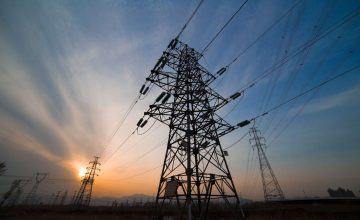
Electricity Production
The combustion of various fuels is frequently the basis for the production of electricity. Inlet air needs to be in specific conditions in order to achieve a greater efficiency. Too much heat in the incoming air causes its density to drop, which lowers the amount of electricity produced. Turbine Inlet Air Cooling System, a system in ARANER’s portfolio, is utilised to cool down these air streams in order to avoid this issue.
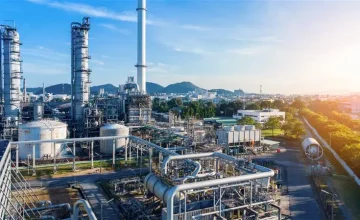
Chemical & Petrochemical
Although the reactions in the chemical and petrochemical industries are not as carefully regulated as those in the pharmaceutical industry, temperature control is a crucial element in achieving high efficiency in these transformations. Refrigeration systems are required to get the results of operations like distillations, crystallisations, and condensation since these processes call for the removal of heat.

Pharmaceutical
The pharmaceutical industry is built around operations where precise requirements must be met for each phase to be successful. Further, many industrial processes involve biological or biochemical processes that can only occur under very specific circumstances that allow microbiological species to produce chemical compounds at their highest output. This is why it’s crucial that pharmaceutical companies research their drugs in tidy, germ-free spaces.
FAQs
Measurement instruments help monitor temperature, pressure, humidity, and system performance to ensure efficient operation, reduce energy consumption, and prevent equipment failures.
Common instruments include digital thermometers, infrared thermometers, pressure gauges, vacuum gauges, thermo-hygrometers, refrigerant leak detectors, and temperature data loggers.
They are widely used in cold storage facilities, food processing plants, pharmaceutical storage, commercial refrigeration systems, refrigerated transportation, and HVAC applications.