







Predictive Maintenance Tools
Electrical Test Tools
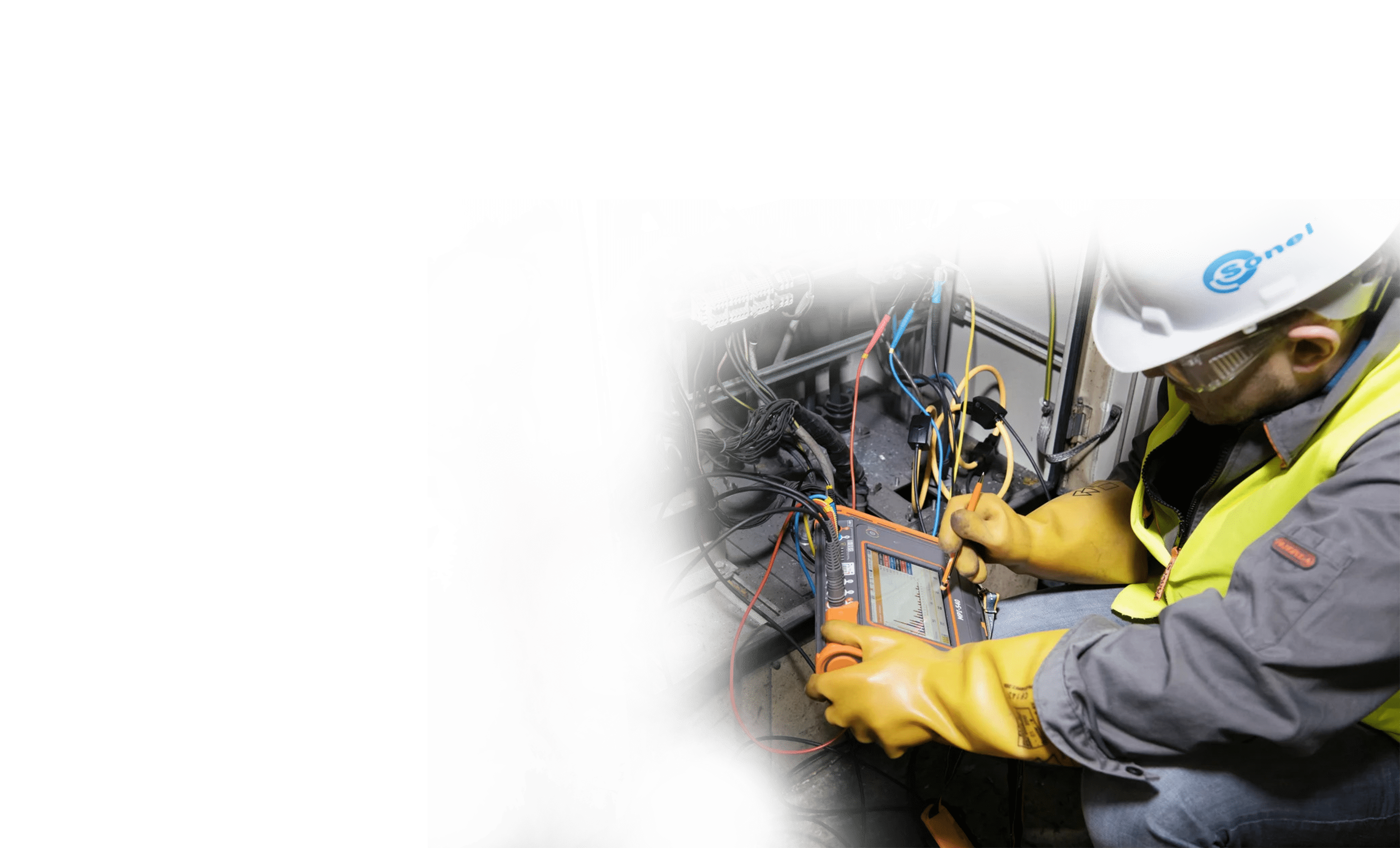
Electrical safety measurements

Predictive Maintenance Tools
Electrical Test Tools
Electrical safety measurements
Predictive Maintenance Tools
Electrical Test Tools
Electrical safety measurements

The glass industry is being altered by digitalization in the same manner that it was once transformed by electrification and automation. Digitalization solutions across the entire value chain are now the most important lever in glass manufacture for fully leveraging potential. Digital Enterprise is Siemens’ entire portfolio for digital transformation, with solutions tailored to the glass industry’s specific needs. Learn how Siemens’ innovative solutions can help plant operators and equipment suppliers in the glass sector become more efficient, flexible, and speedier, resulting in considerable productivity gains.
The Glass Industry relies on precise measurement and process monitoring to ensure consistent product quality, energy efficiency, and reliable manufacturing operations. During glass production, accurate monitoring of temperature, pressure, humidity, thickness, and furnace conditions is essential for maintaining product uniformity and preventing defects. Advanced measurement instruments help manufacturers optimize production processes, improve quality control, reduce energy consumption, and comply with industry standards, ensuring high-quality glass products for a wide range of industrial and commercial applications.
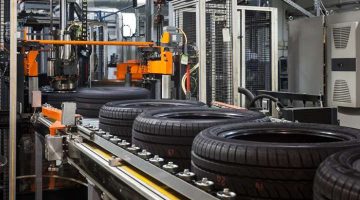
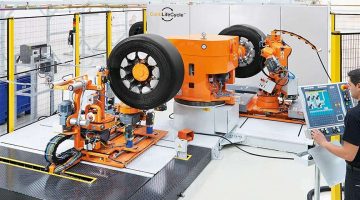
- The largest consumer of rubber is the production of tires for automobiles, trucks, motorcycles, and bicycles.
- Automotive components such as gaskets, seals, hoses, and belts are made from rubber.
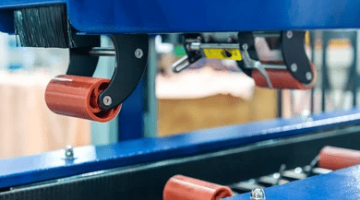
- Rubber is used in the manufacturing of various industrial products, including conveyor belts, hoses, gaskets, and seals.
- It provides resistance to abrasion, chemicals, and extreme temperatures in industrial settings.
Rubber gloves and other medical equipment are essential in healthcare settings, providing a barrier against contamination.
They ensure accurate monitoring of temperature, pressure, humidity, and process conditions for consistent product quality and efficient manufacturing.
Common instruments include thermal imagers, temperature meters, pressure transmitters, humidity meters, thickness gauges, and data loggers.
They help optimize production, improve quality control, reduce defects, enhance equipment reliability, and ensure process consistency.