





Predictive Maintenance Tools
Electrical Test Tools
Electrical safety measurements

Predictive Maintenance Tools
Electrical Test Tools
Electrical safety measurements
Predictive Maintenance Tools
Electrical Test Tools
Electrical safety measurements

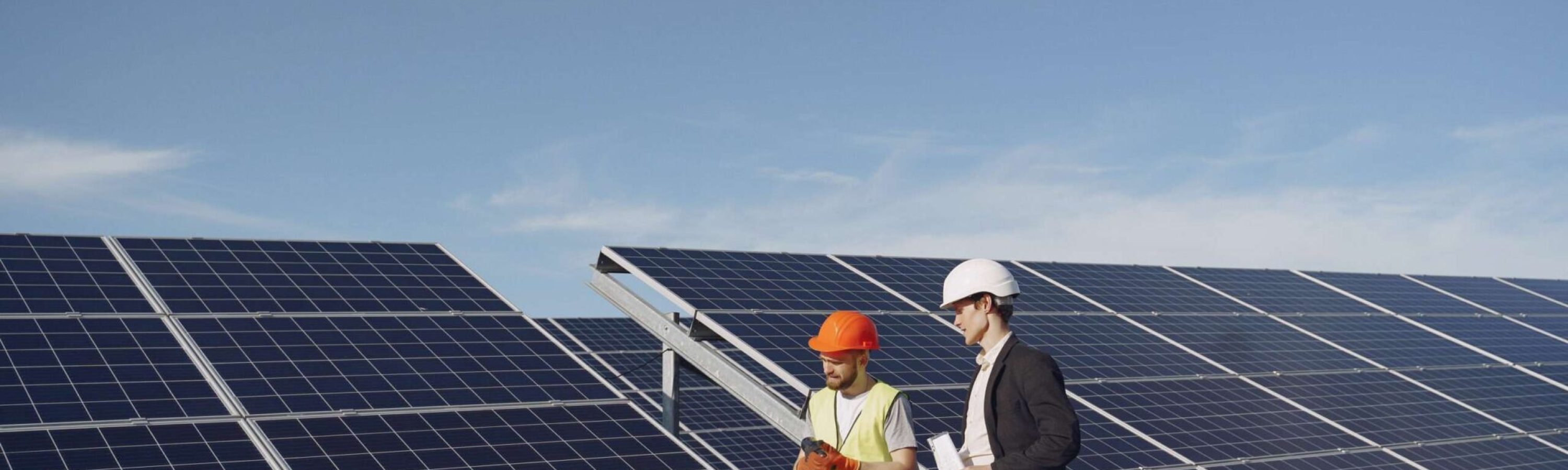
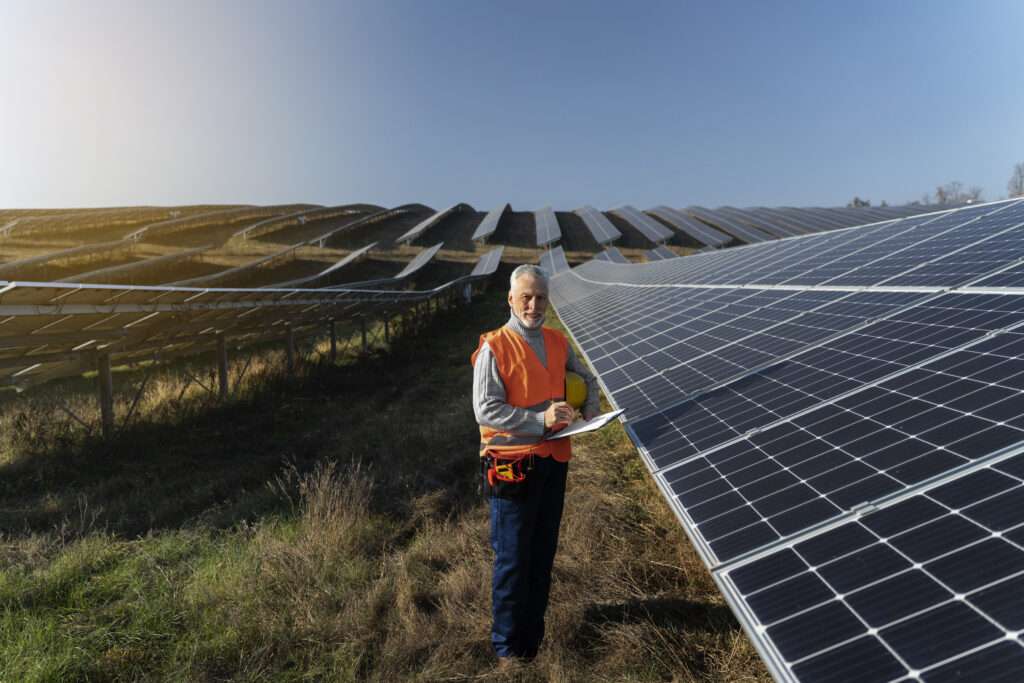
Efficient maintenance is essential for maximizing the performance and lifespan of solar parks. Continuous monitoring of environmental and electrical parameters such as solar irradiance, panel temperature, ambient temperature, humidity, voltage, current, and insulation resistance helps identify performance issues before they impact energy generation. Advanced measurement and monitoring solutions enable predictive maintenance, reduce downtime, improve system efficiency, and ensure reliable operation of solar power plants.
Solar energy is a type of renewable energy that comes from the sun. It is harnessed using various technologies, such as solar panels (photovoltaics), solar thermal systems, and concentrating solar power systems. Solar energy is abundant and inexhaustible, making it a key player in the transition towards cleaner and more sustainable energy sources.
Photovoltaics (PV): Photovoltaic cells, commonly known as solar cells, convert sunlight directly into electricity. Solar panels are made up of these cells and are commonly used on rooftops or in solar farms.
Solar Thermal Systems: These systems use sunlight to generate heat, which can then be used to produce electricity or provide hot water for residential and industrial use.
Concentrating Solar Power (CSP): CSP systems use mirrors or lenses to concentrate sunlight onto a small area, generating heat that is then used to produce electricity.
Net Metering: Many solar installations are connected to the power grid, allowing excess electricity generated during sunny periods to be fed back into the grid, and the user is often credited for this surplus energy.
Clean and Renewable: Solar energy is a clean and sustainable source of power, producing little to no air or water pollution during operation.
Reduced Greenhouse Gas Emissions: Solar power reduces reliance on fossil fuels, contributing to the reduction of greenhouse gas emissions and combating climate change.
Low Operating Costs: Once solar panels are installed, the operational and maintenance costs are relatively low compared to traditional energy sources.
Job Creation: The growing solar industry creates job opportunities in manufacturing, installation, maintenance, and research.
Decentralized Energy Source: Solar panels can be deployed on a small scale, providing decentralized energy solutions and reducing the need for extensive power distribution infrastructure.
Intermittency: Solar power generation depends on sunlight, which is intermittent. Energy storage solutions and grid integration are needed to address this challenge.
High Initial Costs: While the operational costs are low, the initial investment in solar technology can be relatively high, although costs have been decreasing over time.
Land Use Concerns: Large-scale solar installations may require significant land area, potentially leading to conflicts with agriculture or natural habitats.
- Solar Photovoltaic (PV) Panels: Installed on rooftops to generate electricity for residential use.
- Solar Water Heaters: Used for heating water for domestic purposes.
Solar-Powered Emergency Shelters: Solar energy is used to provide power in emergency shelters and disaster-stricken areas where traditional power sources may be disrupted.
Solar-Powered Emergency Shelters: Solar energy is used to provide power in emergency shelters and disaster-stricken areas where traditional power sources may be disrupted.
Measurement instruments help monitor system performance, improve energy efficiency, detect faults, and ensure the safe and reliable operation of renewable energy installations.
Common instruments include solar irradiance meters, power quality analyzers, clamp meters, insulation resistance testers, thermal imagers, multimeters, and environmental monitoring systems.
These solutions are widely used in solar power plants, rooftop PV systems, wind farms, battery energy storage systems, and renewable energy research and maintenance projects.